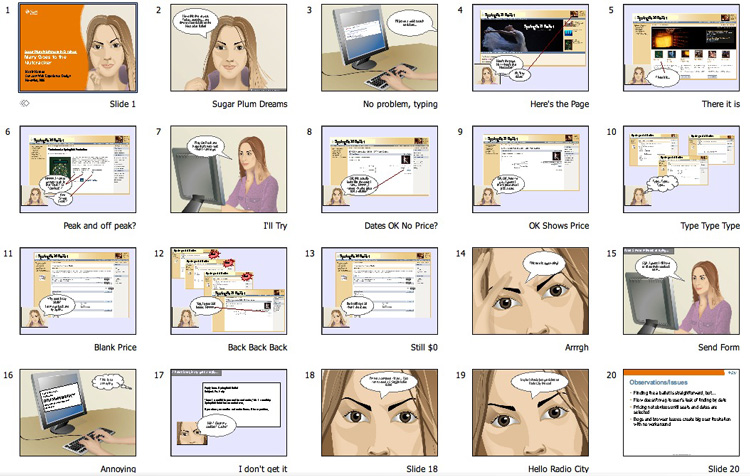
Another vital part of taking your imaginations and stories from paper to screen is story boarding. A storyboard not only makes your script clearer but it serves well for cinematography, camera and directional purposes. It paints a very clear picture of what the writer, director and producer wishes to happen throughout the film.
There is an entire career dedicated to just storyboarding (anyone else thinks this is cool, or just me?) Actually, if I could draw anything more than a stick man I would probably look into that field but I was once told by a high school form teacher to “bloom where I am planted” so I leave the drawing to the drawers.
There has been debates over which is more important, the script or the storyboard? Personally, I believe both are equally important. The script is needed for dialogue and story arcs and character development and (unless it’s a silent movie) for the film to make sense. But the storyboard serves its purpose just as well. I will let you in on a little secret: Not everybody will read the script. Not everybody will want to read the script (minus the actors of course). So story boarding not only keeps everybody on track but it helps the people who won’t want to read the script (i.e. the lazy people – joking) to keep up with the rest of the crew.
The fact of the matter is that storyboards are just as important as the script. If you want successful production with a lot less stress because everyone is on the same page, do a storyboard.
Example of a storyboard:





 Alice Valentine
Leave a reply to Simple tips for scripting great video products | Video Niche Secrets Cancel reply